
led bathroom mirror sale
How to Turn Off a Water Valve A Comprehensive Guide Water valves play a crucial role in maintaining the plumbing systems in our homes and businesses. They control the flow of water to different areas, allowing us to manage water usage, conduct repairs, or respond to emergencies. Knowing how to turn off a water valve is an essential skill every homeowner should possess. This guide will help you understand the types of water valves, the steps to turn them off, and some tips for preventing issues. Understanding Water Valves There are several types of water valves that you may encounter, including 1. Ball Valve This type has a spherical disc that can stop or start the water flow. They are typically easy to operate as they require only a quarter turn to shut off the flow. 2. Gate Valve A gate valve uses a wedge-shaped metal gate to stop water flow. These valves require several turns to open or close fully. 3. Globe Valve Similar to a gate valve but designed for throttling purposes, globe valves can regulate flow better but generally restrict flow more than ball and gate valves. 4. Stop Valve Often found under sinks, these valves can quickly shut off water to a specific fixture. Locating the Valve Before you can turn off the water, you need to locate the appropriate valve . Common locations include - Main Water Supply Valve Usually found in basements, crawl spaces, or near the perimeter of the house where the water line enters. It’s typically larger and may look different depending on its design (gate or ball valve). - Fixture Shut-Off Valves These valves are located near individual appliances like sinks, toilets, and washing machines. They usually have a knob or lever for easy operation. Steps to Turn Off a Water Valve how to turn off water valve 1. Identify the Correct Valve Confirm which valve controls the water supply to the section you want to turn off (e.g., whole house or specific fixture). 2. Prepare Your Space Clear the area around the valve so you have enough room to work. It might also be wise to have a bucket or towels handy in case of water spillage. 3. Turn Off the Valve - For a Ball Valve Rotate the lever a quarter turn until it is perpendicular to the pipe (horizontal to the valve body). - For a Gate Valve Rotate the handle clockwise until it stops. Don’t force it as it could damage the valve. - For a Globe Valve Turn the handle clockwise until it’s fully closed. - For a Stop Valve These often just require a simple turn of the handle clockwise. 4. Check for Leaks After you’ve turned off the valve, check the area for any leaks. If you notice any signs of water, you may need to adjust the valve further or seek professional assistance. 5. Test the Water Flow Open a faucet connected to the same line to check if the water has been successfully turned off. If water continues to flow, go back and ensure the valve is completely closed. Tips for Maintenance and Prevention - Regular Checks Periodically ensure that your valves are functioning properly. Turn them on and off to prevent them from becoming stuck over time. - Replacement Plan If a valve feels difficult to turn or shows signs of wear, consider replacing it. Old or damaged valves can lead to leaks or water damage. - Emergency Ready Know the location of your main water supply valve and ensure it’s easily accessible in case of a plumbing emergency. Conclusion Being able to turn off a water valve is a simple yet effective way to manage your plumbing. Whether you’re preparing for a repair, protecting your home from water damage, or simply looking to conserve water, understanding how to operate your water valves will equip you with a crucial skill. Remember to stay vigilant about regular maintenance to ensure your water systems function smoothly and effectively.
about
led bathroom mirror sale
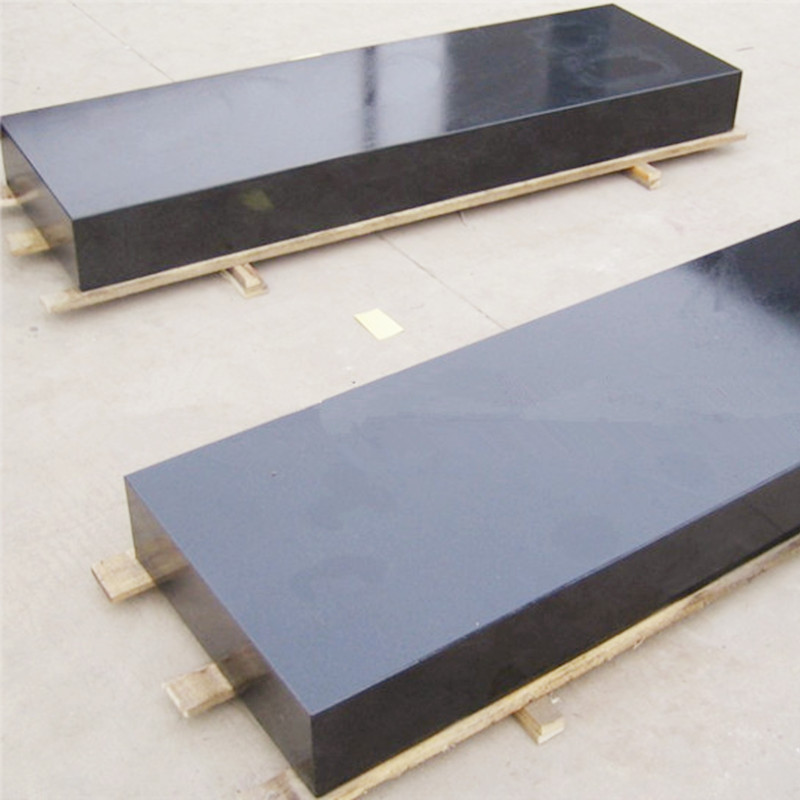
The Precision Granite Master Square A Tool for Perfection In the world of precision engineering and woodworking, the need for accuracy is paramount. One of the tools that have become synonymous with that pursuit of accuracy is the Precision Granite Master Square. This tool is not only essential for craftsmen but has also revolutionized industries by ensuring that every cut, measurement, and alignment is as perfect as humanly possible. The Precision Granite Master Square is made from finely finished granite, a material that is renowned for its stability and lack of thermal expansion. Unlike metal squares, which can warp under heat or physical stress, granite maintains its geometric integrity, making it an ideal reference tool in precision work. This inherent stability is crucial in applications such as machining, automotive assembly, metalworking, and even woodworking. The Precision Granite Master Square A Tool for Perfection For woodworking enthusiasts, the Precision Granite Master Square can serve multiple functions beyond just ensuring that cuts are square. It can be used for squaring up frames, checking the accuracy of joinery, and even as a reference for laying out intricate designs. Woodworking is an art that demands precision, and using a master square can make the difference between a masterpiece and a misfit. precision granite master square Moreover, the design of the master square itself promotes efficiency in the workspace. The large flat surface of the granite provides ample room for workpieces to be laid out and measured. Additionally, its robust construction means it can withstand the rigors of the workshop environment without suffering from damage or wear. Craftsmen can feel confident placing heavy materials against it, knowing it will remain true. Another significant advantage of using a Precision Granite Master Square is its longevity. Unlike wood or plastic tools that may degrade over time, a granite master square can last a lifetime, maintaining its precision through years of use. This durability makes it a worthwhile investment for professionals and hobbyists alike. Calibration of tools is essential in precision work, and the master square plays a crucial role in this aspect. It can be used as a baseline to check the accuracy of other measuring instruments, ensuring that everything in the workshop operates under the highest standards of precision. The simplicity of its design, combined with the granite material’s natural properties, enables users to employ the master square in various applications across multiple fields. In conclusion, the Precision Granite Master Square is an indispensable tool in the toolkit of any precision-focused technician, engineer, or craftsman. Its unique features—superior flatness, durability, and versatility—make it essential for ensuring that work is done correctly and efficiently every time. Whether in a high-paced factory environment or a quiet workshop, this tool continues to help users achieve perfection in their projects, proving that in the realm of precision, every detail truly counts.
-

High quality industrial productsagement

High quality industrial products
View Details -

Meet the diverse needs of customers

Meet the diverse needs of customers
View Details -

Strict quality control

Strict quality control
View Details -

Top raw materials

Top raw materials
View Details -

Trusted supplier

Trusted supplier
View Details
Our application


news and information

Vanne d'arrêt de 4 pouces
Vanne à Globe de 4 Pouces Caractéristiques et Applications Les vannes à globe sont des éléments ess
Versatile and Precision Adjustable Thread Gauge for Accurate Measurement of Screw Threads
Understanding Adjustable Thread Gauges A Comprehensive Overview Adjustable thread gauges are essenti

Van cầu cân bằng cho hệ thống ống dẫn hiệu quả cao và bền bỉ
Van Bi Cân Bằng Giải Pháp Tối Ưu Cho Hệ Thống Ống Nước Trong ngành công nghiệp hiện đại, việc kiểm s
 English